Link in Bio for Food Bloggers: Latest Recipes, Cookbook, Newsletter, Shop
November 1, 2026 · 5 min read
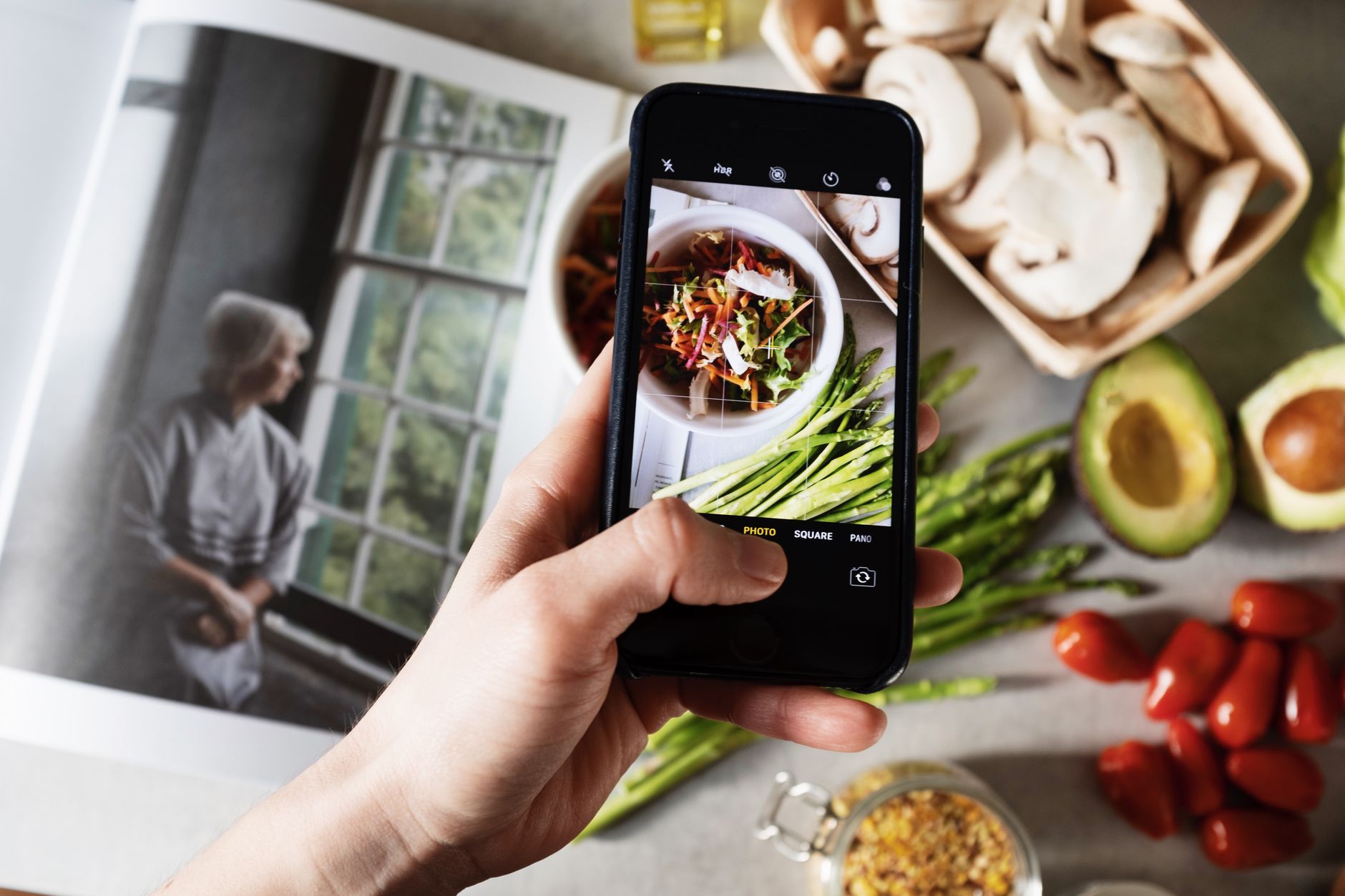
Food bloggers face a specific problem: followers see a beautiful recipe on Instagram or TikTok, tap the link in your bio, and then land on a generic page that buries the dish they wanted. Your link in bio should work like a well-organized recipe index, not a junk drawer. Here is how to structure it around the four things food creators actually promote: latest recipes, cookbook, newsletter, and shop.
Put your latest recipe first, and keep it fresh
The most common reason someone taps your link in bio is to find the recipe you just posted. If they have to scroll or search, you lose them. Make the top link on your page the exact dish from your most recent post or story. Use a specific label like 'This week's lemon ricotta pasta' instead of 'New recipe' or 'Blog.'
Update that top link every time you publish a new recipe. If you post three times a week, that means three small edits. It takes less than a minute in most link-in-bio tools. On Instagram, you can only have one link in your bio at the time of writing, so your link-in-bio page does the heavy lifting. If you need a refresher on the platform step, see how to add a link to your Instagram bio.
For TikTok, link access varies by account type and region, so check the app to see if you can add a website link. The same principle applies: the first thing on your link page should match the video someone just watched.
Cookbook and product links: obvious, not pushy
If you have a cookbook, ebook, or paid meal plan, give it a clear spot near the top, but below the latest recipe. Link directly to the sales page or a retailer page, not your homepage. A label like 'My cookbook: Weeknight Vegetarian' tells followers exactly what they will get.
Avoid stacking five different product links in a row. That turns your bio page into a storefront and buries the free content that brought people there. One or two product links are enough for most food bloggers. If you run a shop with many items, link to a category page or a 'Shop favorites' collection instead of individual products.
Newsletter signup: the quiet list builder
Food bloggers often treat email as an afterthought, but it is one of the few audiences you own. A link in bio is a perfect place to collect signups because the person is already interested in your recipes. Put the signup link second or third, right after the latest recipe.
Use a benefit-driven label. 'Get my 5 quick dinner recipes (free)' outperforms 'Newsletter' or 'Subscribe.' Link to a landing page with a simple form, not a generic contact page. For a full walkthrough on building that list, see how to grow an email list as a creator.
Shop links and affiliate disclosures
Many food creators earn through affiliate links for kitchen tools, pantry staples, or grocery delivery services. If you use affiliate links, the Federal Trade Commission requires clear disclosure near the link, not buried in a footer. A short label like 'My kitchen essentials (affiliate links)' works.
Place shop or affiliate links below your recipe and newsletter signup. Followers who want to buy will scroll a little; followers who just want the recipe will not be annoyed. If you participate in the Amazon Influencer Program, you can link to your storefront. For more on that, see Amazon Influencer Program: what it is, requirements, and how it works.
What to leave off your food link in bio
A cluttered page makes every link less effective. Here are the most common mistakes food bloggers make:
- A link to your homepage only. Followers already know your blog; they want the specific recipe.
- Every social profile you have. One or two secondary profiles are fine, but do not list all six.
- Vague labels like 'Click here' or 'My stuff.' Be specific about what each link is.
- A link to an old recipe that is no longer relevant. Keep the top spot current.
- Too many shop or affiliate links. Three or four is usually plenty.
A simple page layout that works
You do not need a complicated design. A clean, ordered list is easier to scan than a grid of images. Here is a layout that works for most food bloggers:
- Latest recipe: the dish you posted most recently, with a specific name.
- Free email signup or lead magnet: a quick recipe PDF, meal plan, or shopping list.
- Cookbook or main product: one clear link to buy or learn more.
- Shop or affiliate favorites: a small collection of kitchen tools or pantry items.
- About or contact: for brands, press, or readers who want to know more.
For more on choosing what to include, see what to put on your link in bio page.
If you want a simple way to build that page, simple2.link lets you set up a free link in bio with up to 20 links and see clicks per link. If you need more links or extra themes, Pro removes the small badge and adds more options.